
Common Appliance Problems in Brockton Homes
A washer starts leaking in a basement laundry room of a Campello triple-decker, and by the time the tenant notices, water has already pooled around the drain. In older multifamily buildings across Brockton, appliance failures often turn into bigger headaches fast — tight spaces, aging plumbing connections, and shared utility hookups make even a routine breakdown harder to contain.
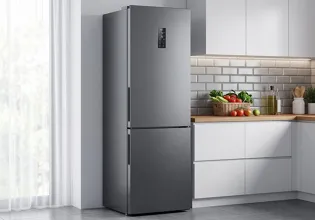
- Refrigerators that stop cooling — often caused by a failing compressor or condenser coils caked with dust, especially in kitchens with limited clearance behind the unit.
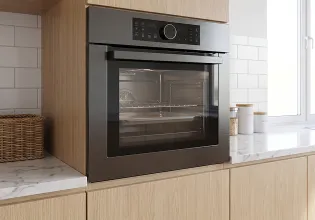
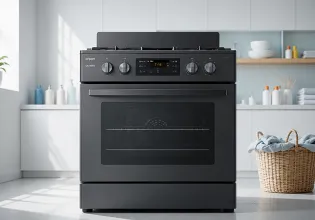
- Gas ovens and stoves that won't ignite or heat unevenly. In many Brockton homes, the gas shutoff valve sits behind the range in a narrow gap against the wall. Worth knowing where yours is before trouble starts.
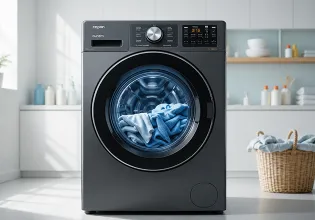
- Washers that won't drain or spin — we usually see this when an old drain hose gets kinked against a basement wall or the pump clogs with debris.
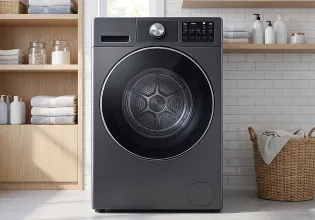
- Dryers running hot but taking forever to dry. A vent line snaking through a first-floor ceiling and out a side wall adds extra length, and lint builds up faster than most homeowners expect.
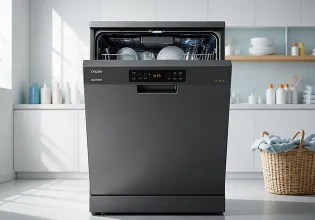
- Dishwashers leaving standing water at the bottom of the tub, often from a clogged filter or a drain connection that has slowly worked loose under the cabinet.
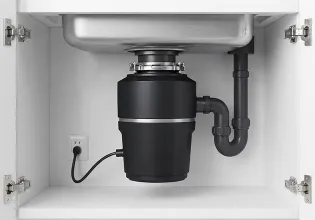
- Garbage disposals that jam or hum without spinning — sometimes it's a stuck flywheel, sometimes a worn bearing in a unit that's been running for fifteen years.
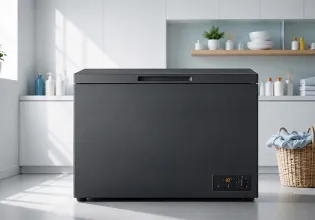
- Freezers building up frost on the back wall or warming into the danger zone, which usually points to a faulty defrost timer or a failing door gasket.
Local Utility, Permit, Safety, and Disposal Factors in Brockton
If an appliance job in Brockton goes beyond a simple parts-and-labor repair — say a gas stove replacement that needs a new flex connector, or a dishwasher swap that involves moving the drain line — the installer has to pull a permit. The city's Brockton Inspectional Services Division handles gas, electrical, and plumbing permits for residential appliance work. Gas permits are required for any gas appliance installation or replacement, including stoves, ovens, and dryers. Electrical permits apply when new or altered wiring is part of the job. Plumbing permits cover dishwashers, garbage disposals, and washing machines when the work touches water supply or drain connections. All permitted work must be done by a licensed contractor and is subject to city inspection afterward.
That last point matters. If someone installs a gas range without pulling a permit, the homeowner is the one left holding the liability. Under the Massachusetts State Plumbing and Gas Fitting Code, all gas fitting in the state must be performed by a licensed gas fitter, and violations can result in fines or forced removal of the unpermitted work. Before any installer starts, ask to see the permit confirmation.
Inspectional Services Division
45 School Street
Brockton, MA 02301
Phone: (508) 580-7110
Official Website
Gas appliances also bring fire safety into the picture. The Brockton Fire Prevention Bureau enforces state fire safety regulations for residential gas stoves, ovens, and dryers. Carbon monoxide detectors are required in every Brockton residence where gas appliances are present — that's Massachusetts law under Chapter 148, Section 26F½. If you're replacing a gas range and your CO detectors are old or missing, that's the time to fix it. Dryer vent maintenance is another fire safety concern the Bureau monitors; under the Massachusetts Comprehensive Fire Safety Code, venting installations must meet specific standards to reduce fire risk. In multifamily buildings especially, the Fire Prevention Bureau may inspect gas appliance installations directly.
Brockton runs its own municipal water and sewer system, with water sourced from the Aquaria treatment facility and distributed through the city's network. That means dishwashers, washing machines, garbage disposals, and refrigerators with water lines all connect to city-managed infrastructure. If an appliance drain hose backs up or a supply line leaks, the problem flows into the municipal sewer system. Improper drain connections can trigger an inspection from the Brockton Water and Sewer Division. When a technician replaces a washer or dishwasher and has to modify the drain or supply hookup, a plumbing permit from Inspectional Services is required — and the plumber must be state-licensed under 248 CMR.
Brockton homeowners are also protected under Massachusetts Consumer Protection Law Chapter 93A, which prohibits unfair or deceptive practices in appliance repair. If you receive misleading pricing or a technician misrepresents the work needed, you can file a complaint with the Attorney General's Office. The law allows up to triple damages for willful violations. Ask for a written estimate before any work begins.
What Makes Appliance Repair in Brockton Different
Brockton's permit structure touches nearly every type of appliance replacement — gas, electrical, and plumbing permits all flow through a single Inspectional Services office at 45 School Street, and every permitted job triggers a follow-up inspection. In smaller surrounding towns, a straightforward washer swap might not draw the same scrutiny. Here, the installer needs to confirm the permit is pulled and the inspection is scheduled before the job is truly finished. That extra step protects the homeowner but adds a day or two to the timeline, especially for gas appliance work where both a gas permit and a fire safety check may apply.
The housing stock adds its own wrinkles. Many Brockton neighborhoods are dense with older two- and three-family homes where the kitchen is compact, the basement laundry area has low ceilings, and the dryer vent runs a long path through floor joists before reaching an exterior wall. Getting a full-size refrigerator through a narrow back stairway or wrestling a washer down uneven basement steps is part of the job here. Not every building is set up the same way, and the access path often determines whether a repair-in-place makes more sense than hauling out a dead unit and bringing a new one in.
Appliance Replacement and Household Equipment Considerations in Brockton
When a repair no longer makes sense — the compressor is shot on a twelve-year-old fridge, or the drum bearings on the dryer have gone for the second time — the next steps in Brockton involve more than just picking out a new model. You can't simply drag the old appliance to the curb on trash day. Brockton's Department of Public Works runs a bulk item pickup program that requires residents to schedule an appointment before placing large appliances at the curb. This is separate from regular weekly trash collection, and putting a washer or refrigerator out without an appointment can result in it sitting there uncollected.
Refrigerators and freezers need extra attention because they contain refrigerants that must be handled under federal EPA Section 608 rules before curbside placement. That usually means the hauler or installer needs to recover the refrigerant properly. If you're replacing a unit yourself, call the DPW to schedule pickup and confirm what preparation is needed.
Department of Public Works
1 York Street
Brockton, MA 02301
Phone: (508) 580-7130
Official Website
For new installations, the permit requirements described above apply in full. Swapping a gas dryer for an electric one means both a gas permit (to cap the line) and an electrical permit (for the new outlet) through the Inspectional Services Division. Replacing a dishwasher that requires moving the drain connection means a plumbing permit. Ask the installer to confirm which permits are being pulled — and check that the inspection happens before you sign off on the work.
Areas We Serve Throughout Brockton
We handle appliance repair calls across Brockton's neighborhoods, including:
- Campello — Heavy concentration of older multifamily homes with basement laundry setups. Dryer vent runs here tend to be long, and lint buildup is a frequent service call.
- Montello — Mixed housing with a lot of gas-heated homes. We often see gas stove igniter failures and older oven thermostats that have drifted out of calibration over the years.
- Downtown Brockton — Apartments and multifamily buildings where access can be tight. Getting a full-size fridge up a narrow interior stairway sometimes means removing doors from hinges first.
- Westside — A mix of single-family and two-family homes, many with compact galley kitchens where the dishwasher sits right next to the sink plumbing. Leaks here show up fast on the floor below.
- Eastside — Residential streets with older housing stock where the electrical panels may still use older breaker configurations. Worth checking breaker capacity before installing a high-draw appliance like a modern electric dryer.